Showing posts with label Amy Poehler. Show all posts

Friday, 8 January 2016

Sisters

On the surface, Sisters may seem like a basic and sometimes crass comedy and you know what? It is. But it has something that most generic gross-out comedies don't have, two of the funniest women ever in it. Tina Fey and Amy Poehler reunite on screen for the first time since 2008's Baby Mama and it is well worth the wait.

Maura (Amy Poehler) has been told by her parents Bucky and Deana (James Brolin and Dianne Wiest) that they are selling their house that she grew up in and that she and her sister Kate (Tina Fey) need to come and clear out the bedrooms they haven't lived in since they were teenagers. They want Maura to tell her sister because they are scared of how she would react. Kate meanwhile is struggling to keep a job and keep in contact with her daughter Haley (Madison Davenport) when she is lured down to Orlando by Maura. When Kate finds out the house is being sold she convinces Maura to have a big party there like they used to have when they were teenagers. Kate also convinces her to invite James (Ike Barinholtz), their cute neighbour from down the street.

This movie is really dominated by the comedy chops of both Fey and Poehler, leaving little room for the overall message of the film, something about how family is a feeling rather than a physical thing. The much bigger theme that I got out of this movie was have fun while you're young because there's a point where you get to when adult parties just become sitting around talking to each other. Unless that is your party is attending by a whole bunch of Korean partygirls and one big buff drug dealer. All of the jokes in the movie revolve around this or the fact that Maura and Kate are still living in their teen years of the 80s.

As I said, both Fey and Poehler are understandably fantastic, but what I was surprised at was the role reversal that they went through. For years I have seen Tina Fey as the voice of reason between the two because of roles like Liz Lemon in 30 Rock, but now Poehler is the responsible? It's a change I loved. Ike Barinholtz is lovably goofy as James and gets into a very uncomfortable situation and Maya Rudolph as super bitchy Brinda is hilarious. The stars of the supporting cast that stuck out for me were John Cena who was a lot funnier than his role in Trainwreck and Bobby Moynihan and Greta Lee make a great unlikely couple.


If you're a fan of both Fey and Poehler and want to see them reunite like I do then this movie is for you. If you're not then the take home message might not be enough to get you through it.


Tuesday, 23 June 2015

Inside Out

          "Crying helps me slow down and obsess over the weight of life's problems."

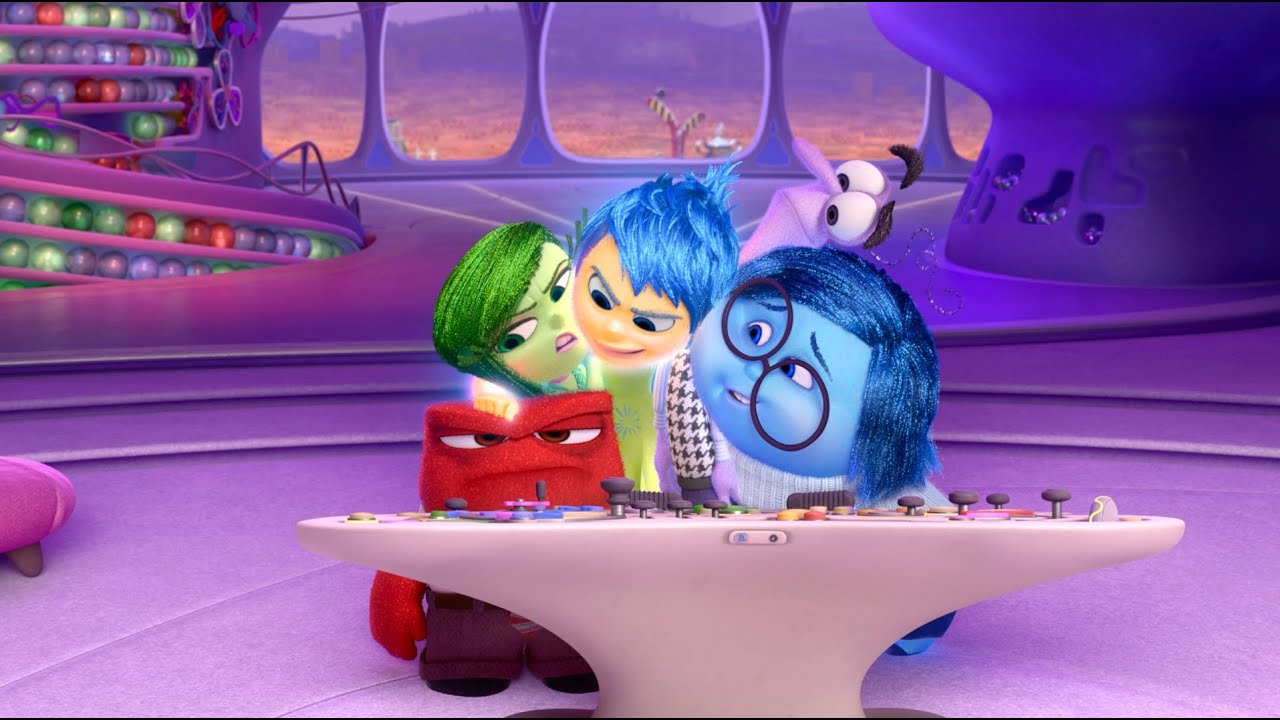
A typical, nuclear family dinner scene. The Dad is lost in his own mind as the Mum pries their pubescent Daughter for details about her first day of her new school after a significant, interstate move. The Daughter's been emotionally turbulent since the move, her usual quirky, happiness has been restrained and replaced with insecurity and a lack of confidence. The Mum tries to keep spirits up but the Dad's concentration has been on organising work and the home in the wake of the move has driven a wedge between him and his family. The Daughter proves unresponsive to the Mum's gentle prodding and so she turns to the Dad for backup, but it takes him a moment to assess the situation, and then he responds incorrectly. He overreacts to the Daughter's moody replies and the whole moment climaxes in a shouting stand-off between Dad and Daughter and the Daughter is sent to her room, the Mum is left incredulous. This is a simple and common family situation and is but one of dozens found in the latest Disney/Pixar animated feature film Inside Out. But what makes these moments unique is that this feature dives into the machinations of characters, emotions and choices in these mundane situations. In these scenes, each human characters actions and responses are guided by competing emotions physically represented inside their heads at a control station. The daughters emotions are individual, Sadness, Fear, Joy, Anger and Disgust acting and reacting separately from one another for the most part, and with each of these emotions being characters that have their own depth and personalities their intentions causes them to clash with in turn forces Riley, the person they influence, to react wildly. But in this dinner scene it is apparent that not only do these emotional forces appear in everyone's mind, but Mum and Dad's are more mature and self-assured, they act as a mental committee and even physically appear similar to the actual Mum and Dad, a wonderfully deep and insightful detail.


Cinematic representations of mental illness have in most part been relegated to insane asylums filled with dead-eyed walking vassals for medically-induced vegetation, villains of cartoonishly disassociative identities and violently shattered mental states, or pure unadulterated emotional vulnerability. More often than not accuracy and nuance in regards to mental health is eschewed in favour of bombastic or one-dimensional characterisation but Pixar's Inside Out not only allows for emotional depth on mental health, but actively encourages its audience, primarily parents and children, to assess their own emotions and mental states and to grow as human beings. The film features decent writing for a broad audience, parallel story-lines that really compliment each other, and some impressive voice acting from Amy Poehler and Phyllis Smith as leads Joy and Sadness, and a supporting cast of relative unknowns, a refreshing occurrence for a major animated feature. Director Pete Doctor, who also directed previous Pixar films Up! and Monsters, Inc., claims the story came from viewing his own daughter's responses in similar situations, which certainly accounts for the emotional resonance this film creates.


Inside Out becomes a film about emotional and mental maturity, but makes the case that this can only be achieved through embracing your emotions, positive and negative, and assessing them. It's visually engaging, has real emotional depth and themes though balances this with images and characters more than suitable for young children. While it's arguable that the exact designs of Riley's emotions is disappointing, the overall tone, message and execution of the film makes for highly recommended viewing.


Jasper Roberts Consulting - Widget